I witnessed a weave of generations
A snapshot of life in the Romanian countryside.
August 2025
Hands that first touched the earth during World War II meet hands that are only learning how to maneuver. They meet on an old farm in Didești, Romania, on land that was acquired by my daughter’s great-great-great-grandfather. Back in those days, if you cut down the trees and cleared the forest, the land was yours.
His nickname was “Gura-de-lup” (Wolf Mouth).
One night he’d heard a noise outside and found a wolf trying to eat one of his sheep. When the wolf noticed him it sprinted and attacked him, leading to a fight for his life that ended with him strangling the wolf in the grass.
Life in Dideşti is a harsh, challenging existence, isolated from the happenings of the world yet so deeply attuned to soil, air, fire, and water. Part of me envies the simplicity. There’s no talk of AI here. COVID came and went, and their daily lives continued unaffected by a global pandemic.
A table is prepared with bread, soup, and freshly cooked pork from a neighbor’s pig. We sit in the shade of a small, wispy tree. The old women are fasting as they always have, respecting the Orthodox traditions, so they watch us eat from a nearby bench, wide-eyed at the young wonder before them, and continuing to offer us more food than we can eat whenever there’s a pause in the action.
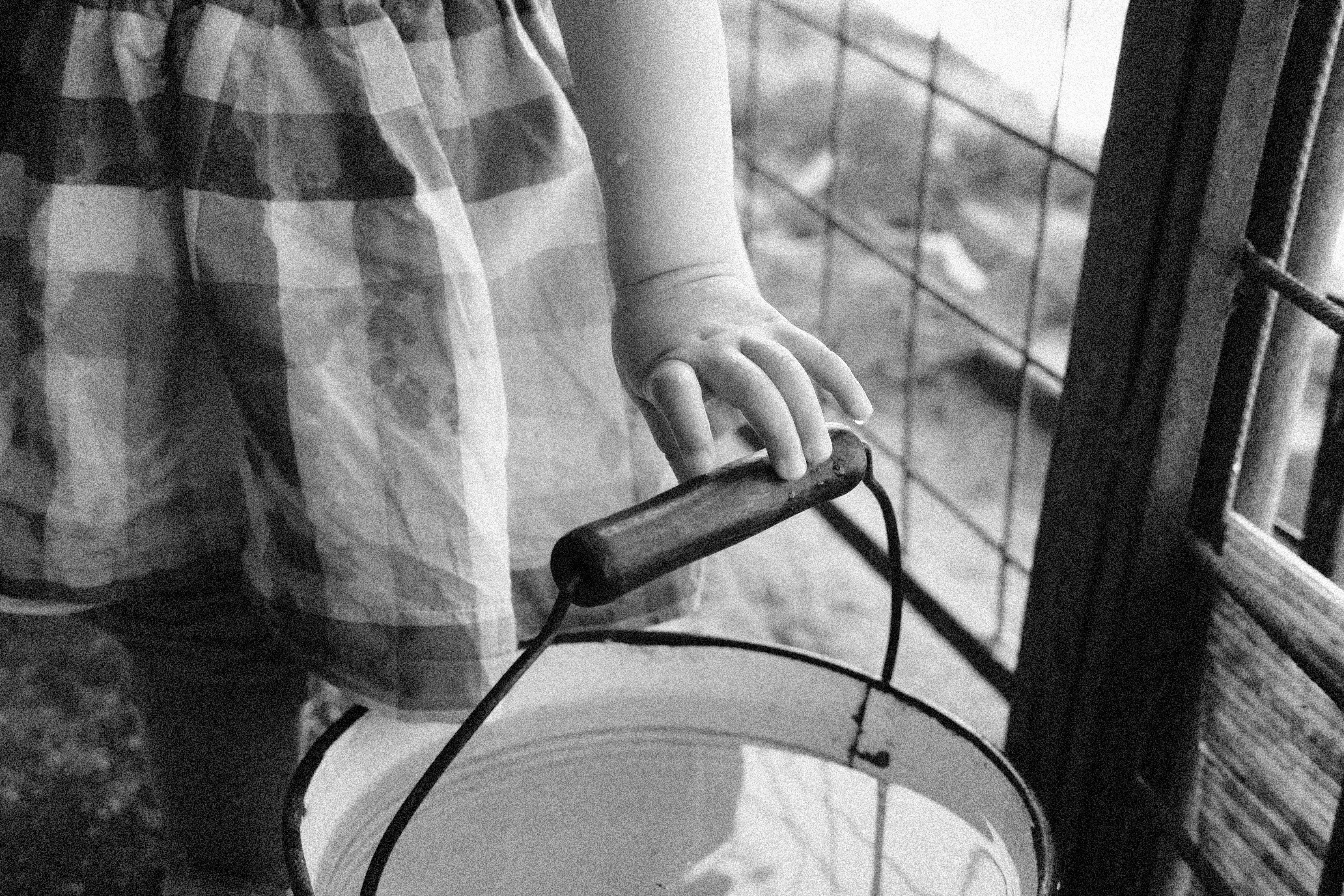
Tuşa’s hands are sun-baked and weathered, but still have a firm grip on the crank of the well, spinning the gears and winding the bucket up the long tunnel as she has done thousands of times before.
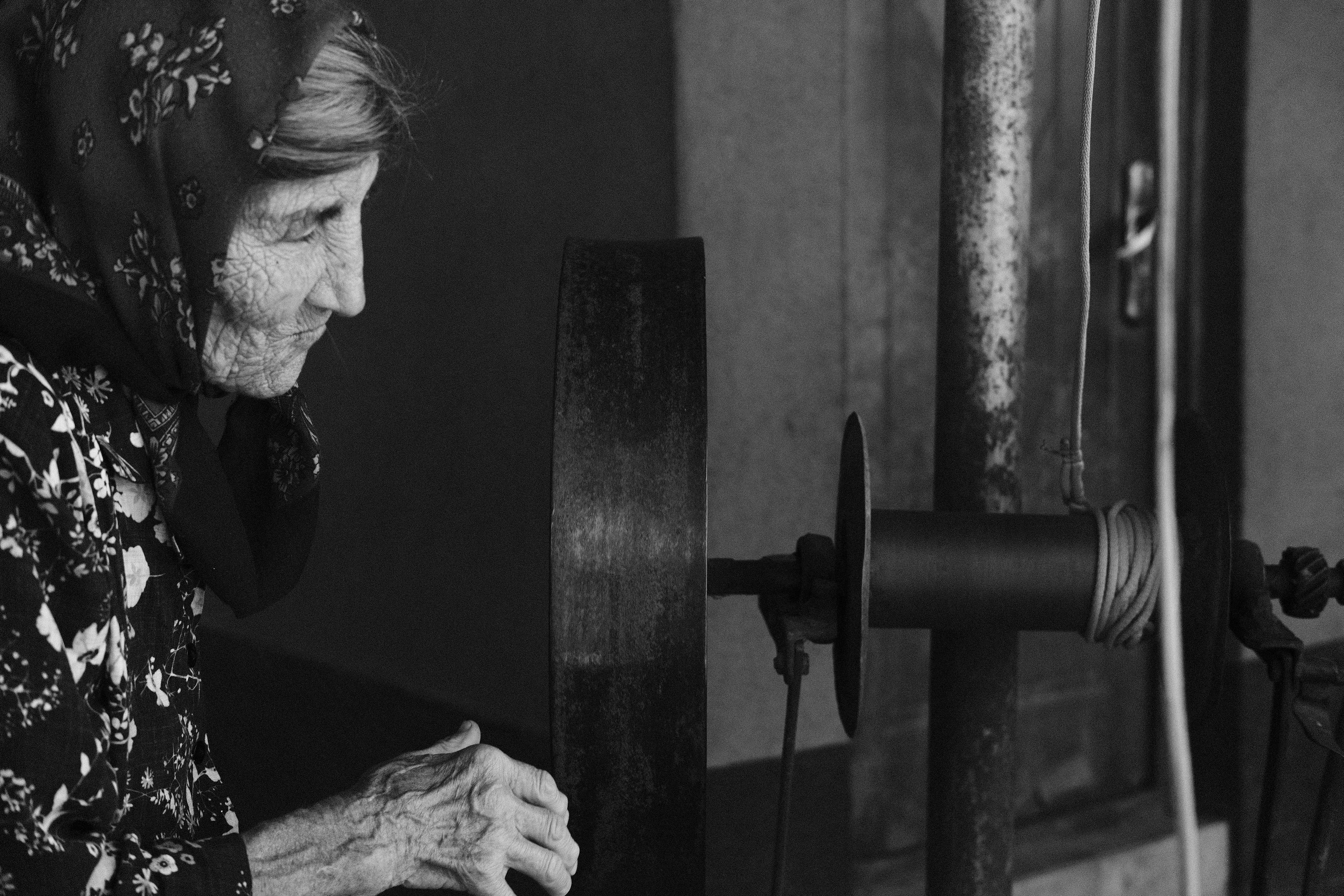
Endearment meets curiosity. A crooked back, hard as a walnut, meets a buoyant spark of potential. My daughter’s hands swoosh and swirl in the water, a familiar excitement that feels like home despite being 7,252 km away. Mamaia Lucreția stood watching, stern and sturdy. Then, for the first time since I’ve known her, the ethereal glint of a smile appeared on her face, there and back again as quick as the shimmer of a rock in the midday sun.
A cheese grater hangs on the fence, full of rust and likely untouched for decades. Just behind them, rows and rows of corn stand like golden bones in the piercing sun. Too hot this year, not enough rain.
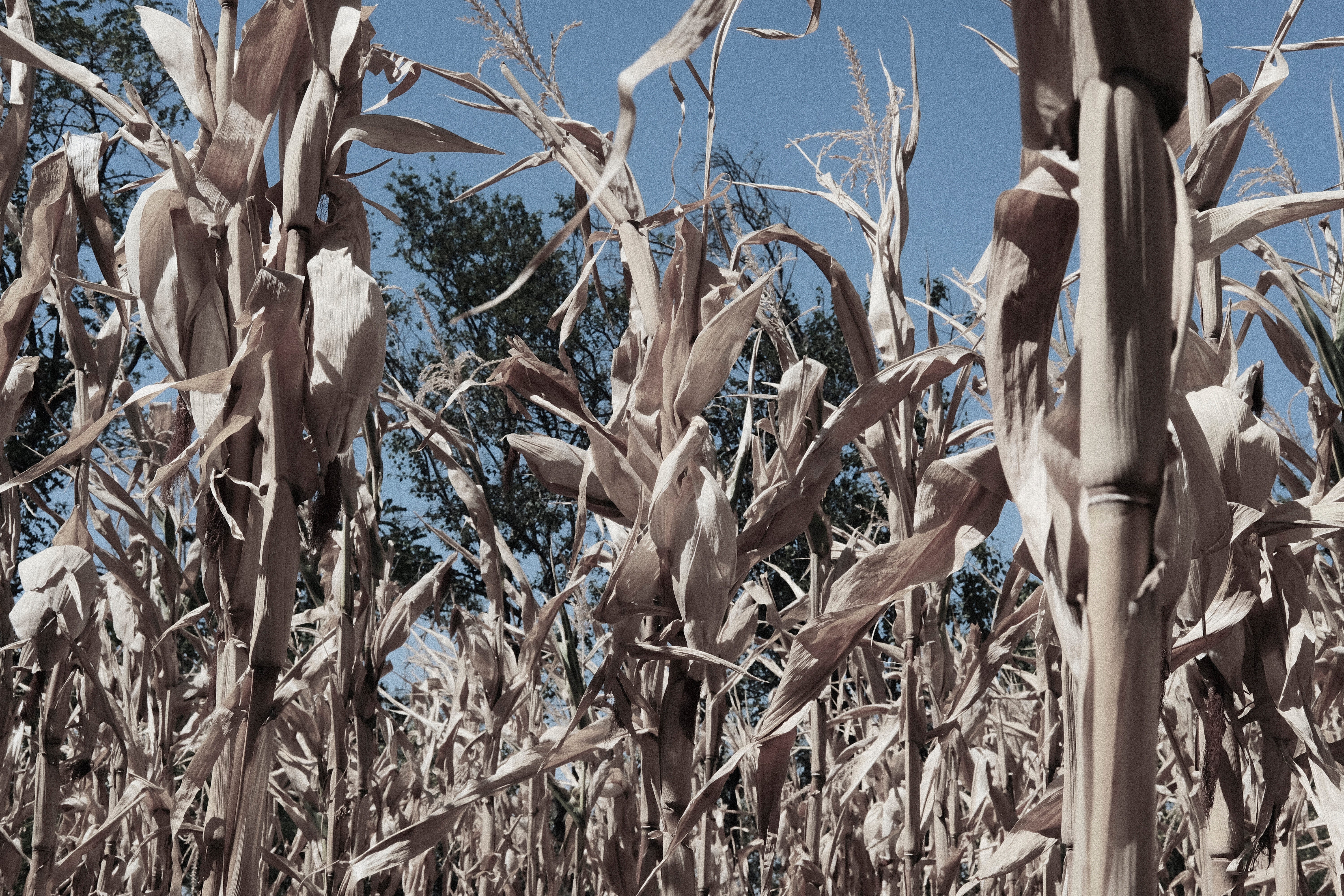
These old women have long depended on a harvest that no one can control. Survival depends on preparation, patience, adaptation, and utter resilience in the face of hardship. They’ve experienced the fallout of war, lived through decades of Communism, and witnessed a revolution. So much life lived in this place, on a self-sustaining homestead in the Romanian countryside.
Today is the youngest I’ll ever be again; there is no turning back the wheel of time. I am grateful to be welcomed on this land and into a way of life so far removed from my own.
Beauty and grief intertwine in a weave of love. It’s not easy for the old women to get around, but they’d never let us leave without walking us back to our car. I feel a deep longing in their goodbyes, the power of their unshakable faith on my cheek.
It is a blessing I carry with me as we kick up dirt on the old road back to the throng and bustle of modernity.